Free guide
Construction & You
Welcome. Is there building work going on near you? Pick the work you can see and I’ll show you what could go wrong, how likely and how serious it is, and the simple things you can do to keep yourself, your family and your surroundings safe.
Linked to the UN Sustainable Development Goals (SDGs) 3 6 11 15
Who this guide helps
Know what to expect, protect your health and your water, and know what to ask the site team.
See how a risk assessment works in real life: the hazard, how likely it is, how serious it is, and how to control it.
See your work from the other side of the fence, and what the people living nearby need to hear from you.
1What work can you see?
Nothing matches that. Try a simpler word, or pick "The basics", which covers most sites.
2What to look out for
Why nature, air and water matter to you
These are easy to overlook because we can't always see the harm straight away, but they shape our health and daily life.
Trees cool streets and catch dust, plants hold soil together and slow down floodwater, and insects pollinate the food we eat. Losing green space makes an area hotter, dustier and more likely to flood.
We breathe all day, every day. Dust and fumes can bring on coughs and asthma attacks, and the finest dust reaches deep into the lungs. Children, older people and anyone with heart or lung problems feel it most.
Mud, fuel, sewage or chemicals in streams and wells can cause stomach illness and kill fish. Polluted water underground can take years to recover, so it is far better to prevent it.
Why I made this
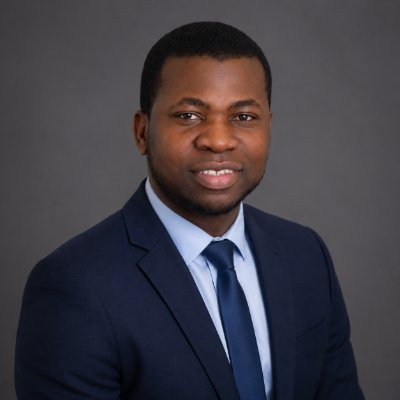
I'm a civil and geotechnical engineer. After about 15 years of experience in the field, I've seen how construction work touches the lives of people who live, work and go to school around it. Most of it is short and well managed, but knowing what to look out for helps you plan your days, protect your health and speak up early when something isn't right.
This guide is for anyone: neighbours, parents and shop owners, students and graduates learning how site risks affect real people, and engineers and site teams who want a reminder of how their work feels to the community. You don't need any technical knowledge to use it.
Safety starts with us
Every risk in this guide is linked to one of these UN Sustainable Development Goals, often shortened to SDGs. Tap a goal to read about it on the official UN site.
How I rate each risk
Likelihood is how likely it is to affect you when the site is run properly.
Severity is how serious it would be if it did.
Risk level puts the two together, as in the grid. Serious harm counts for more than how often something happens, so a likely nuisance never outranks a possible injury. The highest risks come first in each guide.
Every site is different, so treat these as a starting point, not a promise.
If something looks unsafe, tell the site team first, using the name and phone number on the site board. In an emergency, call your local emergency number. For pollution, noise, dust or working hours, contact your local council or environmental agency.
This guide is my own, written from my personal experience. It is general information to help you understand and plan, not advice for any particular site, and it is not linked to any employer or client.